

แทงบอล UFABET เว็บแทงบอลออนไลน์ คู่มือศึกษาและวิธีใช้งานครบ
แทงบอลออนไลน์ นิยามค้นหา เว็บแทงบอล UFABET ที่ผู้เล่นสำรวจมากขึ้นบนแพลตฟอร์มออนไลน์ ทางเข้าใช้งานสมัยใหม่ ราคาบอลภายในระบบอ้างอิงรูปแบบอัตราต่อรองต่างประเทศ ไม่มีหักค่าส่วนต่างแม้แต่บาท โดยแสดงทั้งราคาต่อรอง ค่าน้ำ และยอดรับโดยประมาณไว้อย่างชัดเจนก่อนยืนยันบิล ยอดเดิมพันจะคำนวณตามราคาที่แสดง ณ เวลานั้น เป็นเรื่องที่ดีสำหรับลูกค้าใหม่ที่กำลังจะเข้ามาร่วมสนุก
เปรียบเทียบได้หลากหลายเว็บไซต์ สำหรับระบบ แทงบอล ลูกค้าต้องตรวจสอบโบนัสเอง ยิ่งเลือกเว็บมากเท่าไร มันยิ่งดีต่อตัวท่าน สำหรับในปี 2026 เว็บแทงบอล มีช่องทางเข้าเล่นมากมายหลายคำค้นหา เช่น พนันบอล แทงบอล แทงบอลออนไลน์ เว็บแทงบอล โดยคุณสามารถรับชมเว็บไซต์ก่อนถึงเลือกรับบริการขั้นพื้นฐาน ไม่จำเป็นต้องรับ ทุกวันนี้ลูกค้าต่างหากคือคนที่ควรเลือกเว็บที่ดี ไม่ใช่เว็บที่เลือกคุณ
แทงบอลออนไลน์ เล่นยังไง ก่อนจะเริ่มต้องเรียนรู้สิ่งใด
รูปแบบการเดิมพันที่ได้รับความนิยม แทงบอลออนไลน์ เนื่องจากสามารถเลือกเดิมพันได้หลากหลายลีกมากว่า 10 ลีกที่โด่งดัง หลายรายการ และทำรายการผ่านระบบออนไลน์ ก่อนที่จะเริ่มเดิมพัน รวมถึงศึกษาข้อมูลที่เกี่ยวข้องให้ครบถ้วน ตั้งแต่ วิธีแทงบอลสำหรับมือใหม่ มีตัวเลือก Handicap และ (Over/Under) พร้อมพื้นฐาน บอลเต็ง บอลสเต็ป และบอลสด
นอกจากนี้ อัตราต่อรองจะสะท้อนถึงความเป็นไปได้ของผลการแข่งขันและผลตอบแทนที่อาจได้รับ หากสามารถอ่านค่าน้ำและตีความราคาได้อย่างถูกต้อง จะช่วยให้วิเคราะห์ความคุ้มค่าในการเลือกเดิมพันแต่ละคู่ได้ดียิ่งขึ้น
ควรศึกษาข้อมูลของทีมที่สนใจ เช่น ฟอร์มการเล่นในช่วงที่ผ่านมา สถิติการพบกัน ผลงานเกมเหย้าและเกมเยือน สภาพความพร้อมของนักเตะ รวมถึงข่าวการบาดเจ็บหรือการติดโทษแบน ข้อมูลเหล่านี้ล้วนส่งผลต่อรูปเกมและผลการแข่งขัน การวิเคราะห์จากข้อมูลจริงย่อมมีประโยชน์มากกว่าการเลือกเดิมพันจากความชอบส่วนตัวหรือชื่อเสียงของทีมเพียงอย่างเดียว


พนันบอลผ่านมือถือ พื้นฐานเลือกคู่และยืนยันการเดิมพัน
การพนันบอลผ่านมือถือสามารถเลือกคู่ฟุตบอลและวางเดิมพันได้ง่าย เพียงมีอินเทอร์เน็ตและบัญชีผู้ใช้งาน พร้อมตรวจสอบอัตราต่อรองและยืนยันการเดิมพันได้ทันที เมื่อเข้าสู่หน้าเดิมพัน ผู้เล่นสามารถเลือกเดิมพันฟุตบอลจากหลายลีกรวมอยู่ในบิลเดียวได้ หรือค้นหาทีมโดยตรง จากนั้นเลือกประเภทการเดิมพัน
ทุกครั้งที่กดเลือกตัวเลือก ระบบจะนำรายการไปเก็บไว้ในสลิปเดิมพัน (Bet Slip) ซึ่งผู้เล่นสามารถเพิ่มหรือลบคู่แข่งขันได้ก่อนกดยืนยันบิล หากอัตราต่อรองมีการเปลี่ยนแปลง ระบบจะแจ้งให้ทราบก่อนยืนยัน
เว็บไซต์แทงบอลออนไลน์กำหนดขั้นต่ำเริ่มต้นตั้งแต่ 10–20 บาทต่อบิล รองรับการแทงบอลเดี่ยวและบอลสเต็ป หากเป็นบอลสเต็ป ผู้เล่นสามารถเลือกได้หลายคู่ในบิลเดียว ซึ่งจำนวนสูงสุดจะแตกต่างกันไปตามแต่ละระบบ เว็บรองรับประมาณ 10–15 คู่ต่อบิล ขณะที่บางแห่งอาจรองรับได้มากกว่านั้น
สมัครแทงบอล ผ่านระบบออนไลน์ต้องเสียค่าบริการหรือไม่
สมัครแทงบอลผ่านระบบออนไลน์ ช่วยให้ผู้ใช้งานสามารถเข้าถึงการวางเดิมพันได้ทันที โดยทั่วไป การสมัครสมาชิกกับเว็บไซต์แทงบอลออนไลน์ไม่มีค่าใช้จ่าย ผู้ให้บริการส่วนใหญ่เปิดให้สมัครฟรี เพื่อให้สมาชิกสามารถเข้าใช้งานระบบและเลือกเดิมพันกีฬาได้ทันที โดยผู้สมัครไม่จำเป็นต้องชำระค่าธรรมเนียมแรกเข้า หรือค่าบริการรายเดือน
อย่างไรก็ตาม หลังจากสมัครสำเร็จ ผู้ใช้งานจะต้องทำการ ฝากเงินเข้าระบบ หากต้องการเริ่มเดิมพัน ซึ่งยอดฝากขั้นต่ำ 50 บาท
ขั้นตอนการสมัครมีลักษณะ ดังนี้
- เข้าเว็บไซต์ผู้ให้บริการและเลือกเมนู สมัครสมาชิก
- กรอกข้อมูลส่วนตัวให้ครบถ้วนและถูกต้อง
- ตั้งชื่อผู้ใช้และรหัสผ่านสำหรับเข้าสู่ระบบ
- ระบุข้อมูลบัญชีธนาคารหรือช่องทางรับเงินตามที่เว็บไซต์กำหนด
- ตรวจสอบข้อมูลทั้งหมดก่อนกดยืนยันการสมัคร
- เข้าสู่ระบบด้วยบัญชีที่สร้างไว้
- ฝากเงินตามยอดขั้นต่ำที่กำหนดเพื่อเริ่มใช้งาน
เมื่อดำเนินการครบทุกขั้นตอนแล้ว สมาชิกสามารถเลือกแข่งขันฟุตบอลจากลีกต่าง ๆ และเริ่มเดิมพันได้ทันที
ประเภทแทงบอล ที่มีหลักการวิเคราะห์ข้อมูล
แทงบอลให้มีโอกาสประสบความสำเร็จ แต่ต้องอาศัยการวิเคราะห์ข้อมูลในหลายด้าน รวมถึงราคาต่อรองที่เปิดออกมา การเลือกประเภทการเดิมพันให้เหมาะกับข้อมูลที่มี จะช่วยให้สามารถเดิมพันได้ดียิ่งขึ้น
ประเภทการเดิมพันที่ได้รับความนิยมและสามารถใช้หลักการวิเคราะห์ข้อมูลได้ ได้แก่ บอลเดี่ยว, บอลสเต็ป, แฮนดิแคป (Handicap), สูง-ต่ำ (Over/Under) และ เดิมพันสด (Live Betting) โดยแต่ละรูปแบบมีลักษณะการวิเคราะห์ที่แตกต่างกัน ผู้เล่นจึงควรศึกษาจุดเด่นและข้อจำกัดของแต่ละประเภทก่อนตัดสินใจเดิมพัน
ตัวอย่างเช่น การเดิมพันแบบแฮนดิแคปเหมาะกับผู้ที่สามารถวิเคราะห์ความแตกต่างของศักยภาพทั้งสองทีมได้อย่างละเอียด ส่วนการเดิมพันสูง-ต่ำจะเน้นการประเมินรูปแบบเกม สถิติการยิงประตู และแนวโน้มการเล่นเกมรุกหรือเกมรับ ขณะที่การเดิมพันสดต้องอาศัยการติดตามการแข่งขันแบบเรียลไทม์ เพื่อวิเคราะห์สถานการณ์ที่เกิดขึ้นในสนามและปรับการตัดสินใจให้สอดคล้องกับรูปเกม
เปรียบเทียบวิธีแทงบอลก่อนเลือก
ก่อนเลือกประเภทการเดิมพัน ผู้เล่นควรเปรียบเทียบข้อดีและข้อจำกัดของแต่ละรูปแบบ เพื่อให้เหมาะกับสไตล์การเล่นและระดับความเสี่ยงที่ยอมรับได้ ดังนี้
- บอลเดี่ยว เหมาะสำหรับผู้ที่ต้องการวิเคราะห์เพียงหนึ่งคู่ต่อการเดิมพัน ความเสี่ยงค่อนข้างต่ำกว่าการเล่นหลายคู่ และติดตามผลได้ง่าย
- บอลสเต็ป เป็นการรวมหลายคู่ไว้ในบิลเดียว มีโอกาสได้รับผลตอบแทนสูง แต่ทุกคู่ต้องทายถูกทั้งหมด จึงมีความเสี่ยงสูงกว่าบอลเดี่ยว
- แฮนดิแคป (Handicap) เหมาะสำหรับผู้ที่สามารถวิเคราะห์ศักยภาพของทีมและความเหมาะสมของราคาต่อรอง เพราะผลการเดิมพันขึ้นอยู่กับแต้มต่อที่กำหนด
- สูง-ต่ำ (Over/Under) เน้นการคาดการณ์จำนวนประตูรวมของทั้งสองทีม เหมาะกับผู้ที่ติดตามสถิติการทำประตูและรูปแบบการเล่นของแต่ละทีม
- เดิมพันสด (Live Betting) ต้องอาศัยการตัดสินใจอย่างรวดเร็วจากสถานการณ์จริงในสนาม เหมาะสำหรับผู้ที่ติดตามการแข่งขันแบบต่อเนื่องและสามารถวิเคราะห์เกมระหว่างแข่งขันได้
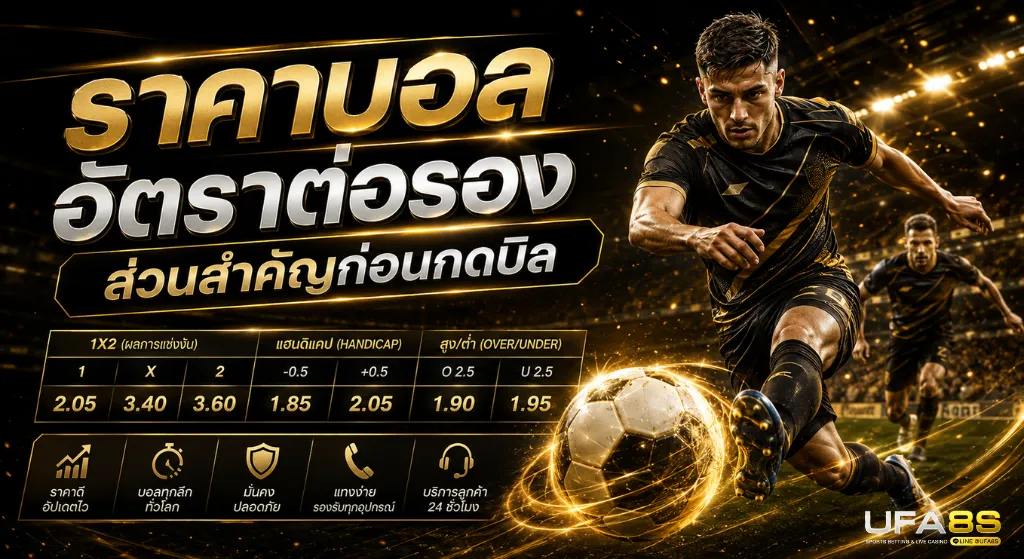
ราคาบอลเปลี่ยนอย่างไร ควรตรวจสอบจุดไหนก่อนกดบิล
ราคาบอลเป็นข้อมูลที่มีการเปลี่ยนแปลงอยู่ตลอดเวลา โดยเฉพาะในช่วงก่อนการแข่งขันเริ่มและระหว่างการแข่งขัน ดังนั้น ผู้เล่นควรติดตามความเคลื่อนไหวของราคาอย่างสม่ำเสมอ เพื่อเลือกจังหวะที่เหมาะสมก่อนยืนยันการเดิมพัน ที่ควรตรวจสอบคือ ราคาแฮนดิแคป (Handicap) ว่ามีการขยับขึ้นหรือลงจากราคาเปิดหรือไม่ หากทีมต่อขยับจากครึ่งลูกเป็นหนึ่งลูก อาจสะท้อนว่ามีแรงเดิมพันจำนวนมากหรือมีข่าวที่ส่งผลต่อโอกาสชนะของทีมนั้น ในทางกลับกัน หากราคาลดลงก็อาจหมายถึงความเชื่อมั่นของตลาดเปลี่ยนไป
สำคัญคือการเปรียบเทียบ ราคาเปิด (Opening Odds) กับ ราคาปัจจุบัน (Live Odds หรือ Closing Odds) หากราคามีการเปลี่ยนแปลงอย่างรวดเร็วในช่วงเวลาสั้น ๆ ควรตรวจสอบข่าวสารเพิ่มเติม เช่น นักเตะตัวหลักบาดเจ็บ การเปลี่ยนแปลงรายชื่อผู้เล่น หรือสภาพสนามแข่งขัน เพราะปัจจัยเหล่านี้มักเป็นสาเหตุที่ทำให้ราคาปรับตัว
ค่าน้ำมีผลต่อยอดรับผู้เล่นมากแค่ไหน?
ค่าน้ำเป็นองค์ประกอบที่ส่งผลโดยตรงต่อผลตอบแทนจากการเดิมพัน แม้ความแตกต่างจะดูเพียงเล็กน้อย เช่น จากค่าน้ำ 0.90 เป็น 0.98 แต่เมื่อเดิมพันด้วยจำนวนเงินที่มากขึ้น หรือเล่นต่อเนื่องหลายบิล ผลต่างของกำไรที่ได้รับก็จะเพิ่มขึ้นอย่างเห็นได้ชัด
ตัวอย่างเช่น หากเดิมพัน 1,000 บาท ที่ค่าน้ำ 0.90 เมื่อชนะจะได้รับกำไร 900 บาท แต่หากค่าน้ำเพิ่มเป็น 0.98 กำไรจะเพิ่มเป็น 980 บาท ซึ่งต่างกันถึง 80 บาทในการเดิมพันเพียงครั้งเดียว หากเดิมพันเป็นประจำ ความแตกต่างนี้สามารถสะสมเป็นผลตอบแทนที่มากขึ้น
ด้วยเหตุนี้ ผู้เล่นจึงควรเปรียบเทียบค่าน้ำจากหลายแหล่งก่อนกดบิล โดยเฉพาะในคู่แข่งขันที่มีความนิยมสูง เพราะแต่ละเว็บไซต์อาจกำหนดอัตราค่าน้ำแตกต่างกัน การเลือกค่าน้ำที่เหมาะสมสามารถช่วยเพิ่มความคุ้มค่าให้กับการเดิมพันได้โดยไม่ต้องเพิ่มเงินลงทุน

เว็บแทงบอลที่ดี ฝากถอนไม่มีขั้นต่ำ ช่วยให้จัดการเงินเดิมพันง่าย
เลือกใช้ เว็บแทงบอลที่ดี ฝากถอนไม่มีขั้นต่ำ นอกจากจะช่วยเพิ่มความสะดวกในการทำธุรกรรมแล้ว ผู้เล่นสามารถเริ่มต้นเดิมพันด้วยเงินจำนวนเล็กน้อย ทดลองกลยุทธ์ใหม่ ที่เห็นได้ชัดคือความยืดหยุ่นในการบริหารเงินทุน เปิดโอกาสให้ผู้เล่นได้ทดลองระบบการเดิมพันก่อนลงทุนจริง ผู้เล่นมือใหม่สามารถดูราคาบอล รูปแบบการเดิมพัน และการวิเคราะห์เกมได้ เมื่อเกิดความมั่นใจแล้วจึงค่อยเพิ่มวงเงินเดิมพันตามแผนที่วางไว้
นักเดิมพันที่เล่นเป็นประจำ ระบบฝากถอนแบบไม่มีขั้นต่ำก็ช่วยให้สามารถแบ่งเงินทุนเป็นหลายบิลได้ง่ายขึ้น สำหรับ บอลเดี่ยว บอลสเต็ป หรือการเดิมพันบอลสด (Live Betting) การจัดสรรเงินในลักษณะนี้ช่วยลดความเสี่ยงหากผลการแข่งขันไม่เป็นไปตามที่คาดการณ์ และยังทำให้สามารถติดตามผลกำไรและขาดทุนของแต่ละกลยุทธ์ได้อย่างชัดเจน
คำถามที่พบบ่อย FAQ
- สมัครแล้วไม่สามารถเข้าสู่ระบบได้
ตรวจสอบชื่อผู้ใช้ รหัสผ่าน หากยังเข้าไม่ได้ควรใช้เมนูลืมรหัสผ่าน หรือติดต่อเจ้าหน้าที่ผ่านช่องทางหลักของเว็บไซต์
- ฝากเงินแล้วเครดิตยังไม่แสดง
อาจเกิดจากระบบธนาคารล่าช้า ข้อมูลการโอนไม่ครบ หรือยอดฝากยังอยู่ระหว่างตรวจสอบ ควรเก็บหลักฐานการโอนและแจ้งเจ้าหน้าที่เพื่อตรวจสอบรายการ
- กดถอนแต่ยอดยังอยู่ในบัญชี
รายการอาจยังไม่ได้รับการยืนยัน หรือไม่ผ่านเงื่อนไขขั้นต่ำและยอดเทิร์นโอเวอร์ ควรตรวจสอบสถานะการถอนและรายละเอียดที่ระบบแจ้งก่อนทำรายการใหม่
- ข้อมูลธนาคารไม่ตรงกับชื่อสมาชิก
ชื่อบัญชีธนาคารควรตรงกับชื่อที่ใช้สมัคร หากข้อมูลไม่ตรง ระบบอาจระงับการฝากถอน ผู้ใช้งานควรติดต่อเจ้าหน้าที่เพื่อยืนยันตัวตนและแก้ไขข้อมูลให้ถูกต้อง
- เข้าผิดลิงก์หรือพบหน้าเว็บที่มีชื่อคล้ายกัน
อย่ากรอกข้อมูลส่วนตัวหรือรหัสผ่าน ควรปิดหน้าเว็บทันที แล้วตรวจสอบทางเข้าจากช่องทางหลักหรือเจ้าหน้าที่โดยตรง เพื่อหลีกเลี่ยงเว็บไซต์ปลอมและการขโมยข้อมูล